Who Gets to Build? The Case for — and Against — Blowing Up Architectural Licensure
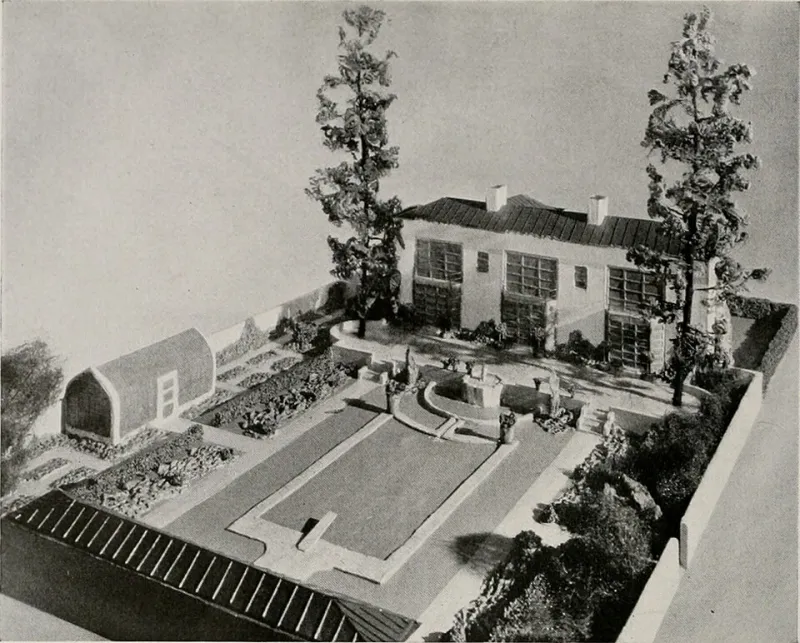
Photo: Internet Archive Book Images, No restrictions, via Wikimedia Commons
Somewhere between the fourth exam division and the third rejected job application, a talented designer decides the math no longer works. It is a story licensure coordinators hear often enough that it has become a genre: years of accredited education, thousands of hours of logged experience, six examinations, and a title that — in much of the industry — pays less than project management in adjacent fields.
The question now confronting state licensing boards is not merely administrative. It is whether the system designed to protect the public is still protecting anything, or simply rationing a word.
What the Exam Actually Measures
The Architect Registration Examination, administered by the National Council of Architectural Registration Boards, tests a defined and defensible body of knowledge: practice management, project planning, design, construction evaluation. Nobody seriously argues that competence testing should vanish. The dispute is over what surrounds the exam — the accredited degree requirement, the experience hour thresholds, and the years of supervised limbo that precede independent practice.
Critics note the system's odd asymmetry. A designer may spend a decade producing construction documents for hospitals — work of enormous consequence to public safety — without being permitted to stamp a residential addition. The license, in practice, gates title and legal liability far more than it gates actual influence over the built environment.
The Pressures the System Was Not Built For
Three forces are straining the model. First, climate urgency: the buildings sector accounts for a substantial share of national emissions, and the profession's capacity to respond is limited by how slowly it can credential the people needed to do the work. Second, artificial intelligence: as AI tools absorb documentation and code-compliance checking, the traditional apprenticeship tasks through which interns once learned are thinning out — leaving the experience requirement with less to experience. Third, attrition: firms report persistent difficulty retaining designers through the licensure pipeline, with many leaving for design-adjacent roles that offer comparable pay without the examination gauntlet.
What Other Countries Are Trying
Alternatives abroad suggest the American model is one option among several. The United Kingdom's route emphasizes structured professional experience with examination later in the career arc. Some European systems integrate practice into the degree itself, shortening the gap between graduation and independent work. Australia has experimented with broader recognition of overseas-qualified practitioners to address shortages. None of these models is perfect, and several carry their own critiques — but collectively they demonstrate that the US pathway is a choice, not a law of nature.
The Case for Caution
Defenders of the current system make a serious argument. Public safety requirements for egress, structure, and accessibility are not decorative; they exist because buildings fail and people die. Diluting credentialing in the name of speed risks importing the kind of quality erosion seen in other deregulated corners of the construction industry. There is also an equity counterpoint: some reform proposals that shorten education requirements could, in practice, devalue the degrees that accredited programs — including many serving underrepresented students — worked hard to establish.
A Middle Path Worth Arguing About
The most credible reform proposals do not abolish licensure; they re-sequence it. Ideas gaining traction in state board discussions include: granting limited, defined practice authority to experienced unlicensed designers for low-risk building types; crediting supervised work with emerging technologies toward experience requirements; and decoupling title protection from scope-of-work restrictions so that firms can deploy talent where it is needed without legal ambiguity.
The uncomfortable truth is that the public does not experience architecture through licensure. It experiences it through buildings — safe or unsafe, sustainable or wasteful, humane or not. A credentialing system that cannot adapt to a profession facing climate deadlines, labor shortages, and algorithmic tooling will not protect the public. It will simply protect the word 'architect' while the work drifts elsewhere. Whether state boards can reform quickly enough, without surrendering the safety case that justifies their existence, is the question this decade will answer.